

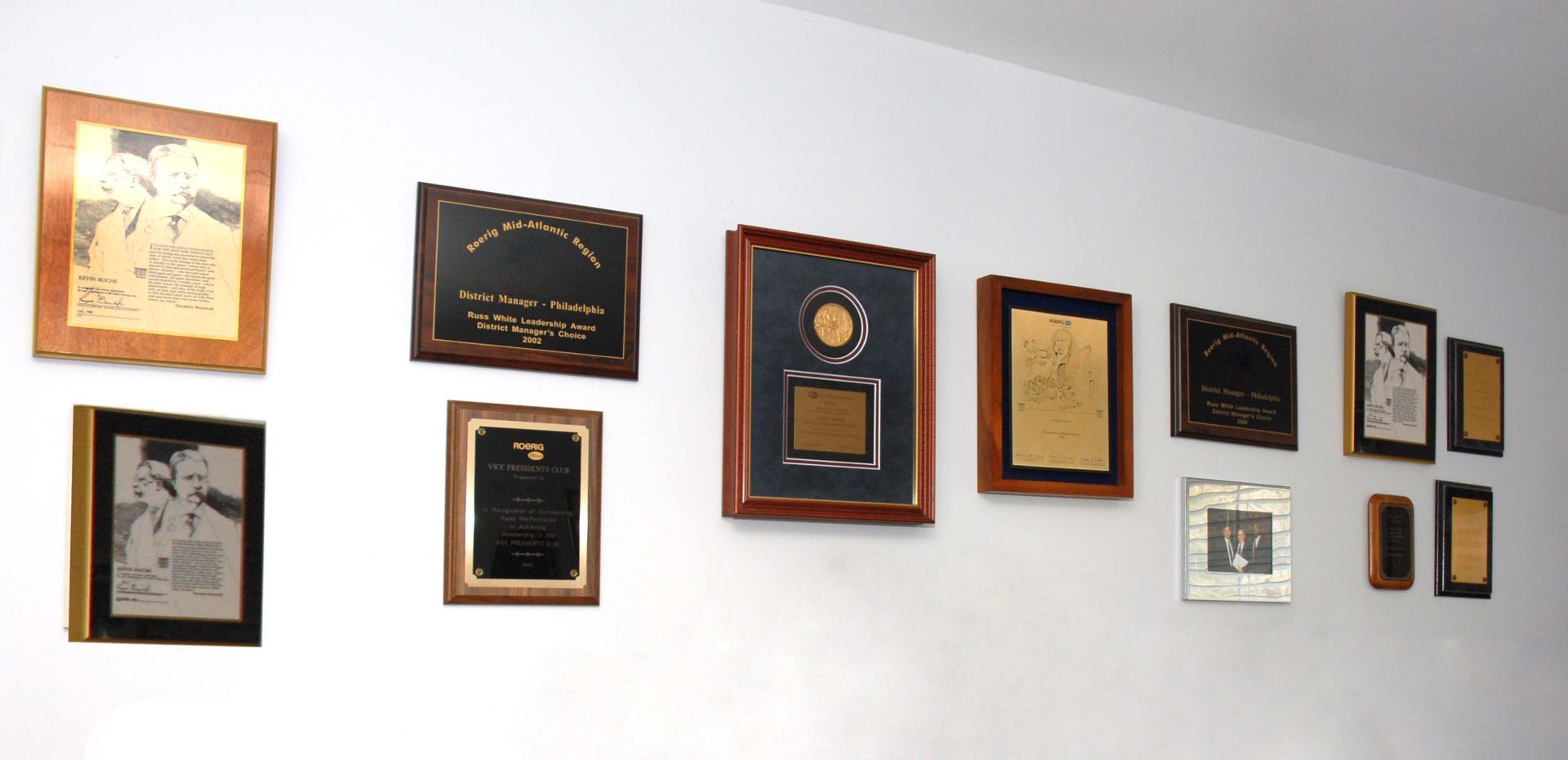
Elevate corporate awards with modern plaque engraving. Discover how custom designs, premium materials, and personal details create meaningful employee honors.

Inspire staff with custom company awards honoring client service excellence. Reinforce high standards and build lasting customer advocacy.

The start of a new school year sets the tone for everything that follows, and recognition plays a bigger role in that than many schools realize. School recognition awards given early in the year help build momentum and a sense of belonging before the routines of the year fully take hold. Students, teachers, and staff all benefit from feeling seen and appreciated right from the start, not just at the end of the year during traditional award season. A thoughtful recognition plan woven throughout the year, beginning in those first weeks, tends to strengthen school culture in lasting ways. This guide covers ideas for recognizing every group as the new year begins. Welcoming a New School Year How can schools use recognition to kick off the school year? Simple welcome back acknowledgments, like recognizing returning student leaders or highlighting staff milestones, help set a positive tone from day one. Early recognition signals that achievement and effort will be noticed throughout the year, not just at its conclusion. Small gestures during the first weeks, a shoutout at an assembly or a small award for participation, can boost morale during what's often an adjustment period for everyone. This early momentum tends to carry through the rest of the year when reinforced consistently. Starting the year with recognition helps establish a culture of appreciation from the very beginning. Student Leadership Awards What are good ways to recognize student leadership early in the year? Recognizing students who step into leadership roles, whether through student council, team captaincies, or peer mentoring, reinforces the value of those responsibilities early on. Student achievement awards tied specifically to leadership help distinguish this kind of contribution from purely academic or athletic recognition. Public acknowledgment during assemblies or newsletters adds visibility that motivates other students to consider similar roles. This kind of early recognition also helps new leaders feel supported as they settle into unfamiliar responsibilities. Highlighting leadership early sets a strong example for the rest of the student body. Teacher Appreciation Ideas How can schools show teacher appreciation early in the school year? Teacher appreciation awards presented early in the year help set a tone of support before the demands of the school year fully set in. Simple gestures, a handwritten note, a small award, or public recognition during a staff meeting, can go a long way in building morale. Recognizing specific contributions, like a well planned lesson or a positive impact on students, feels more meaningful than generic praise. Consistent, smaller acknowledgments throughout the year tend to matter more to teachers than a single large event at year's end. Early appreciation efforts help teachers feel valued from the very start of the year. Staff Recognition Programs How can schools build effective recognition programs for support staff? Support staff, from front office personnel to custodial teams, often go unrecognized despite playing an essential role in daily school operations. Building a simple, consistent recognition program that includes these roles helps ensure appreciation extends beyond just teachers and students. Peer nominated recognition can be especially effective, since colleagues often notice contributions that go unseen by administration. Even small, low cost awards presented regularly can meaningfully improve morale among support staff. A well rounded recognition program acknowledges every group that contributes to a school's daily success. Building School Culture How does early recognition help build stronger school culture? Recognition, when consistent and genuine, becomes a foundational part of school culture rather than an occasional event. Students and staff who feel appreciated early in the year tend to carry that positive momentum through more challenging periods later on. This culture of recognition also encourages a more supportive environment where achievement, in all its forms, gets noticed and celebrated. Schools that prioritize this from the very beginning often see stronger engagement and morale throughout the entire year. Building this culture early makes recognition feel like a natural part of school life rather than an afterthought. Academic and Extracurricular Achievements How should schools balance recognizing academic and extracurricular achievements? Balancing academic recognition with awards for sports, arts, and other extracurriculars ensures a wider range of student strengths get acknowledged. School recognition awards that span multiple categories help students see value in different kinds of contributions, not just grades or test scores. Early season and mid season recognition and awards, rather than waiting until year end award ceremonies, keeps engagement high across all types of involvement. This balanced approach also helps students who may not excel academically feel equally valued for other contributions. A well rounded recognition strategy reflects the full range of student achievement throughout the year. Custom Award Options What custom award options work well for back-to-school recognition? Custom medals, certificates, and trophies can be tailored to reflect specific school colors, mascots, or values, adding a personal touch to recognition. Custom options also allow schools to create categories specific to their own culture, rather than relying on generic, one size fits all awards. This flexibility makes it easier to recognize a wider range of achievements in a way that feels authentic to the school itself. Working with a provider who understands school specific needs simplifies the process of building a meaningful, customized recognition program. Custom awards ultimately help make recognition feel personal and intentional rather than generic. Recognition set early in the school year builds momentum that carries through the months ahead, for students, teachers, and staff alike. PT Medals offers custom award solutions designed to help schools build meaningful recognition programs from day one. If you're ready to plan your school's recognition strategy, reach out to our team today.

