
Don't Forget About the Importance of Retirement Awards
May 21, 2026

May 21, 2026

Retirement awards hold a significant place in the world of employee recognition, serving as the culmination of a career and a meaningful gesture of gratitude. These awards highlight the dedication and contributions of employees, ensuring that their years of service are acknowledged and celebrated. As organizations strive to build supportive and appreciative work environments, understanding the multifaceted importance of retirement awards is crucial. This recognition not only honors the retiring individuals but also reinforces a company's values and culture. Let's delve into the various aspects of why retirement awards are indispensable in modern workplaces.

Recognizing Lifelong Contributions

The Value of Acknowledgment

Acknowledgement of employees' lifelong contributions instills a sense of pride and fulfillment, significantly boosting morale. Recognition validates their hard work and dedication, reinforcing their professional identity even as they transition into retirement. It's imperative for organizations to showcase appreciation, as 58% of retirement award recipients report feeling more motivated in their final year. Such motivation can drive employees to maintain high productivity levels, benefiting both the individual and the organization. The simple act of acknowledgment can leave a lasting impact, creating a positive ripple effect in the workplace.

Creating a Culture of Appreciation

A culture of appreciation is integral to a thriving workplace, and retirement awards play an essential role in nurturing it. By recognizing retiring employees, companies underscore the value they place on dedication and commitment. This culture encourages employees at all levels to invest in their roles, knowing their efforts will be acknowledged and celebrated. Furthermore, appreciation practices contribute to a supportive environment where employees feel valued and motivated. Such environments not only enjoy enhanced morale but also drive higher performance and job satisfaction across the board.

Encouraging Employee Retention

The link between recognition and employee retention is well-documented, with retirement awards serving as a powerful retention tool. Employees are more likely to remain loyal to organizations that appreciate and acknowledge their efforts and achievements. By offering retirement awards, companies can foster an environment where employees feel recognized and valued for their long-term contributions. Employees who foresee such recognition at the end of their careers are often more inclined to continue their journey with the organization. In essence, retirement awards can help reduce turnover rates, ensuring the company retains its experienced workforce.

Incentive for Long-Term Service

Retirement awards serve as a vital incentive for employees to commit to long-term service. Knowing that their dedication will be recognized and celebrated inspires employees to invest their time and effort in growing alongside the organization. This foresight can drive workforce stability, as employees are less likely to seek opportunities elsewhere. The motivation stemming from anticipated recognition can enhance performance across the board. Additionally, the prospect of a meaningful award encourages employees to strive for excellence throughout their tenure.

Examples of Successful Programs

Exemplary retirement recognition programs showcase the potential impact of well-structured awards. Organizations like IBM and Johnson & Johnson are renowned for their comprehensive retirement ceremonies, which reflect deep appreciation for their retirees. Such programs highlight both personal achievements and professional milestones, culminating in memorable experiences for the recipients. The tailored nature of these programs ensures that the awards resonate with the employees' journeys, leaving a lasting impression. By examining successful models, other organizations can implement similar frameworks to foster appreciation and recognition.

Personalized Retiree Experiences

Tailoring Awards to Individual Achievements

Personalizing retirement awards to individual achievements underscores their significance and impact. Tailored awards are a testament to the organization’s understanding of the retiree’s unique contributions and journey. Customizing awards fosters a deeper emotional connection, resonating with retirees on a personal level. This personalized recognition encourages a more profound sense of accomplishment and fulfillment. Moreover, it reflects the organization’s commitment to celebrating the distinct achievements of each retiring employee.

Different Types of Retirement Awards

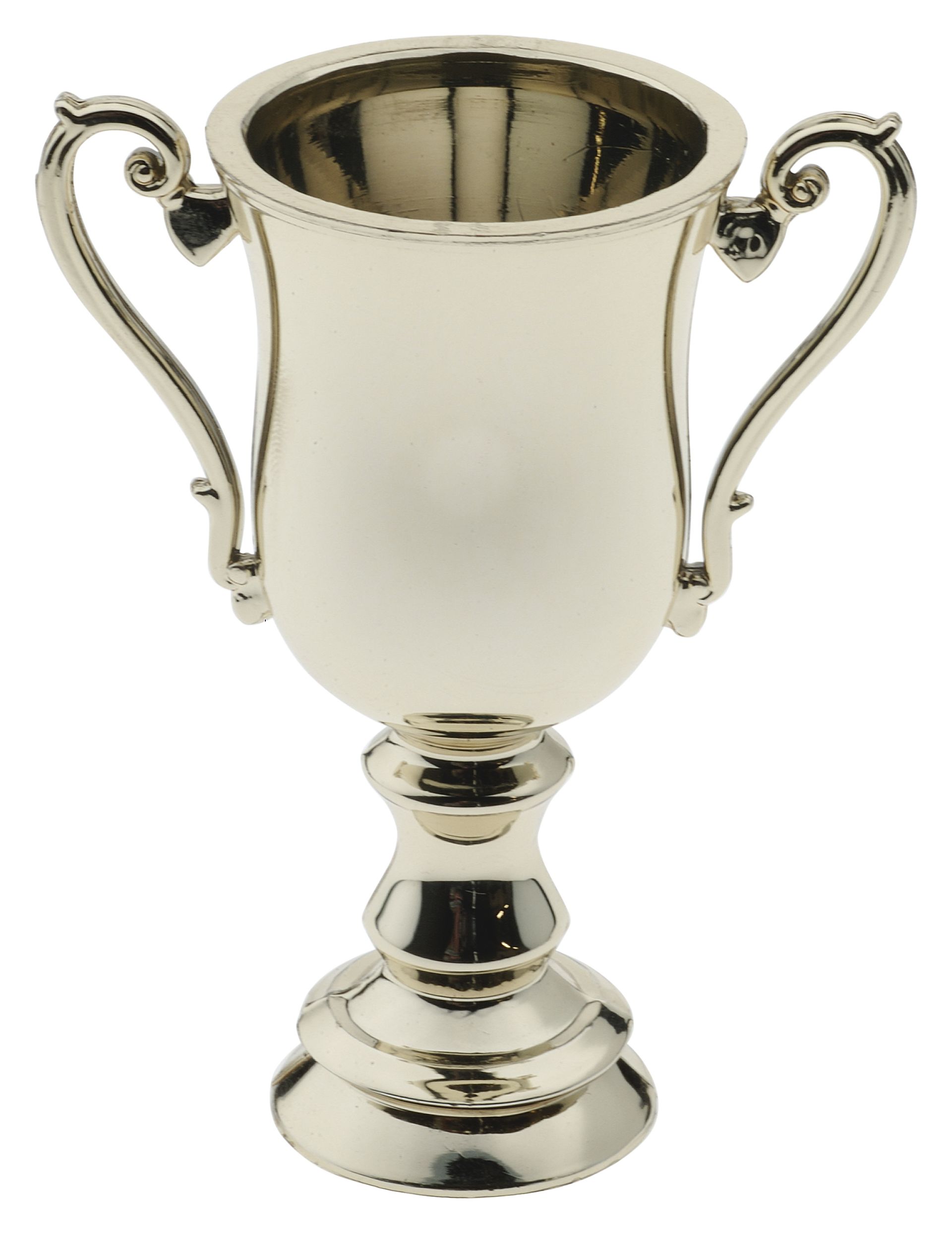
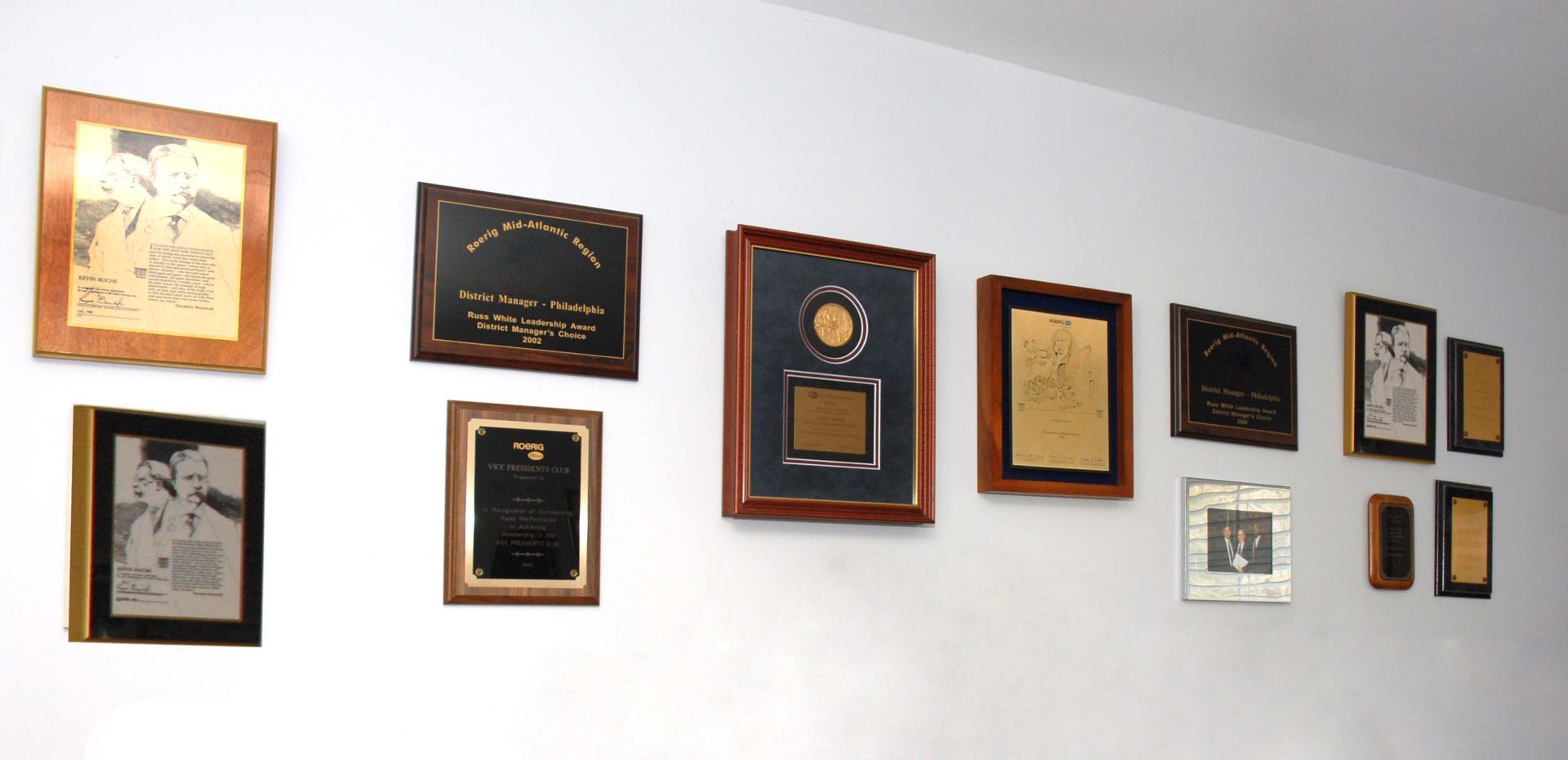
Retirement awards vary widely, offering a spectrum of possibilities to celebrate employee contributions. From traditional plaques and trophies to experiential gifts or travel vouchers, the variety ensures a fit for every retiree. The type of award often mirrors the employee’s career and personal interests, making the experience more relatable. A well-chosen award can encapsulate the essence of an employee’s journey, providing a tangible reminder of their professional legacy. Such diversity in awards also allows organizations to align recognition more closely with individual preferences and achievements.

Incorporating Employee Interests and Passions

Incorporating employee interests and passions into retirement awards significantly enhances their personal value and relevance. Aligning awards with retirees’ hobbies and lifestyle choices imparts a more profound sense of recognition and appreciation. This thoughtful approach to recognition strengthens the retiree’s connection to the organization as they embark on their post-career journey. Personalized experiences rooted in employee interests demonstrate a deeper level of acknowledgment and understanding. By considering these factors, organizations can craft more meaningful and memorable recognition experiences for their retiring employees.

Case Studies of Personalized Experiences

Case studies provide valuable insights into the successful implementation of personalized retirement experiences. Companies like Google and Microsoft have set benchmarks with their innovative retirement recognition practices. By tailoring each award to the retiree’s personal and professional milestones, they craft unforgettable experiences. These organizations also emphasize retiree feedback, ensuring ongoing improvements and relevance. Other businesses seeking to enhance their recognition programs can draw inspiration from these examples to foster an environment of appreciation.

Feedback and Its Role in Personalization

Feedback plays a pivotal role in refining the personalization of retirement awards. Continuous feedback from retirees allows organizations to tailor their recognition programs to meet evolving expectations. By understanding retiree preferences, companies can enhance the relevance and impact of their awards. This iterative process ensures that recognition remains meaningful and aligned with employee aspirations. Furthermore, valuing retiree feedback fosters an environment of open communication and appreciation, reinforcing organizational ties.

Impact on Workplace Morale

Ripple Effect on Current Employees

Witnessing a colleague’s retirement celebration can have a profound impact on current employees, boosting workplace morale. These events serve as powerful reminders of the organization's appreciation for dedicated service, inspiring others to strive for excellence. Such celebrations can enhance employee engagement as they visualize a rewarding endpoint to their careers. Positive morale often leads to improved productivity, collaboration, and overall job satisfaction. When employees see that dedication is recognized and celebrated, they are motivated to contribute their best efforts.

Boosting Morale Company-Wide

Retirement awards don't just affect the retiree; their impact resonates throughout the organization, boosting morale company-wide. Celebrating long-standing accomplishments reinforces a culture that values loyalty and dedication, inspiring other team members. This broad-based morale boost can enhance productivity, foster innovation, and strengthen organizational culture. Recognition programs that involve the entire workforce unite employees in shared values and objectives. The celebration of a retiree's journey acts as an anchor, aligning the company's mission with its human capital.

Retirement awards hold immense importance in today's organizations, offering a blend of recognition, appreciation, and motivation. These awards celebrate and honor the lifelong contributions of retiring employees, creating a fulfilling end to their careers. By fostering a culture of acknowledgment, retirement awards not only honor individuals but also enhance workplace morale, retention, and productivity. According to Corporate Recognition Statistics, 58% of retirement award recipients report feeling more motivated in their final year. As organizations strive to adapt to the digital age, embracing innovation while maintaining personal touch is crucial for impactful recognition. Ultimately, retirement awards play a critical role in nurturing a supportive, appreciative, and motivated work environment, providing retirees with a legacy of appreciation. Be sure to reach out to Performance Trophies & Medals to learn more about our professional retirement awards!

By 7008628214 June 24, 2026
Recognition is one of the most powerful ways to celebrate achievement, encourage excellence, and acknowledge contributions. Whether awards are presented in schools, workplaces, sports organizations, community groups, or special events, the impact of recognition depends on more than just the trophy or medal itself. The process behind the award matters just as much as the award being presented. When recipients understand how winners are selected, recognition feels more authentic and valuable. Clear award criteria help ensure that awards are viewed as fair, credible, and meaningful by everyone involved. Without transparency, even well-intentioned recognition programs can create confusion or uncertainty. Organizations that establish thoughtful and consistent award criteria create stronger recognition programs that inspire participants and enhance the value of every award presented. Transparency in Judging Why is transparency important when selecting award recipients? Transparency is one of the foundations of successful recognition programs. When participants understand how decisions are made, they are more likely to trust the process and appreciate the outcome. Clear award criteria provide a roadmap for both judges and participants. Whether the award recognizes leadership, athletic achievement, academic excellence, service, or teamwork, outlining the standards in advance helps eliminate uncertainty. Transparency also allows participants to understand what behaviors, accomplishments, or contributions are being recognized. This helps individuals focus their efforts toward meaningful goals and encourages consistent performance. When award programs are transparent, recipients feel genuinely honored because they understand the accomplishments that led to their recognition. Avoiding Confusion or Bias How do clear criteria help reduce perceptions of bias? One of the biggest challenges any recognition program can face is the perception of favoritism or inconsistency. Even if decisions are made fairly, a lack of clearly defined standards can lead people to question the process. Establishing specific award criteria helps minimize confusion and creates consistency across all evaluations. Judges can assess candidates using the same standards, reducing the influence of personal opinions or subjective preferences. This approach promotes fair recognition by ensuring every nominee or participant is evaluated using the same framework. It also helps organizations explain decisions when questions arise. When participants believe the process is objective and consistent, they are more likely to respect both the award recipients and the recognition program itself. Aligning Criteria With Goals How should award criteria reflect the goals of the organization or event? Every award should serve a purpose. Before creating recognition categories, organizations should carefully consider what behaviors, accomplishments, or values they want to encourage. For example, a company that values innovation may establish awards based on creative problem-solving and new ideas. A school may focus on academic achievement, leadership, or community involvement. A sports organization may recognize teamwork, perseverance, and sportsmanship in addition to athletic performance. Aligning award criteria with organizational goals ensures that recognition reinforces the values that matter most. This makes meaningful awards more impactful because recipients understand that their achievements reflect the mission and priorities of the group presenting the award. Well-designed criteria help recognition programs become powerful tools for motivation and culture building. Enhancing Credibility How do clear standards improve the credibility of awards? The credibility of an award often depends on the integrity of the selection process. Awards that appear arbitrary or inconsistent may lose their significance over time. Clear, documented award criteria strengthen credibility by demonstrating that recipients earned recognition through measurable accomplishments or contributions. This is especially important for organizations that present awards regularly or manage competitive nomination processes. Credible recognition programs are respected by participants, judges, leadership teams, and audiences alike. Recipients often take greater pride in awards when they know the selection process was rigorous and well-defined. Fair recognition programs not only honor individual achievements but also enhance the reputation of the organizations presenting them. As credibility grows, awards become more meaningful and prestigious for future recipients as well. Creating Positive Experiences How do clear criteria contribute to a positive recognition experience? Recognition should be a positive and motivating experience for everyone involved. Clear expectations help participants understand what they are working toward and provide confidence that the process is fair. Even individuals who are not selected often respond more positively when they understand how decisions were made. Transparency reduces disappointment, encourages continued participation, and helps maintain enthusiasm for future opportunities. Meaningful awards create lasting memories because recipients feel their efforts have been genuinely recognized. At the same time, clear criteria help all participants feel respected and valued, regardless of the outcome. The best recognition programs celebrate achievement while strengthening relationships, encouraging growth, and promoting a positive culture within the organization or community. Build Recognition Programs That Inspire and Motivate Awards carry the greatest impact when they are supported by thoughtful, transparent, and consistent criteria. Clear standards help create fair recognition, strengthen credibility, reduce confusion, and ensure awards align with the values and goals of the organization presenting them. Whether you're recognizing employees, students, athletes, volunteers, or community leaders, a well-designed recognition program can inspire achievement and create meaningful experiences that leave a lasting impression. The combination of clear award criteria and high-quality awards helps ensure every recipient feels truly honored. At PT Medals, we specialize in custom medals, trophies, plaques, and recognition products designed to celebrate meaningful achievements. Contact our team today to create meaningful awards that reflect the integrity, fairness, and value of your recognition program while making every accomplishment unforgettable.
glass trophies and awards
June 18, 2026
Glass trophies and awards have carved a niche for themselves as significant tools of hard work, dedication, and achievement in the workplace.
glass trophies
June 18, 2026
In recent years, the use of glass trophies has witnessed a remarkable upswing. This article delves into the myriad of choosing glass as a material for awards.
Show More →